A distinction worth understanding
Refusing Donation vs. Removing Yourself from the Donor Registry
Both can help you make your wishes known, but they're not the same. One removes a recorded yes. The other records a no.
Removing yourself
Takes you off the donor registry, so there's no recorded consent.
✕Donation can still happen
A signed refusal
Creates a documented no, even if you're not on the registry.
✓No one else can say yes
The difference that matters
Revocation vs. Refusal
They sound similar, but they do different things. One removes a record of consent. The other creates a record of a no.
Revocation
Removes your name from the donor registry, which means there's no longer a recorded yes. It doesn't create a documented refusal.
Refusal
A signed refusal is a clear, documented statement that you do not want to donate. It's a record of your decision, even if you're not on the registry.
The side-by-side comparison
How They Differ
Scroll sideways to see both columns.
| Aspect | Removing yourself (Revocation) | A signed refusal |
|---|---|---|
| What it doesThe core difference in plain terms. | Takes you off the donor registry, so there's no recorded consent (yes). Section 8(b): A donor's revocation is not a refusal and does not bar others from making a gift of the body or parts. | Records a clear no, even if you're not on the registry. Sections 7(a) & 7(d): An individual's unrevoked refusal bars all other persons from making an anatomical gift. |
| Who can still authorize donation?Even after you take action. | Family (or next of kin), a court, or hospital staff can still authorize donation if they have the legal right. | Family (or next of kin), a court, or hospital staff can still authorize donation if they have the legal right. |
| Where it is recordedHow it shows up (or doesn't). | Your name is removed from the registry. No refusal is recorded. | Your refusal is documented in your records (e.g., registry or directive, depending on your state). |
| When it operatesWhen it takes effect. | As soon as your removal is processed by the registry (varies by state). | As soon as it's signed and recorded (or made available, depending on your state). |
-
What it doesThe core difference in plain terms.
Removing yourself (Revocation)
Takes you off the donor registry, so there's no recorded consent (yes).
Section 8(b): A donor's revocation is not a refusal and does not bar others from making a gift of the body or parts.
A signed refusal
Records a clear no, even if you're not on the registry.
Sections 7(a) & 7(d): An individual's unrevoked refusal bars all other persons from making an anatomical gift.
-
Who can still authorize donation?Even after you take action.
Removing yourself (Revocation)
Family (or next of kin), a court, or hospital staff can still authorize donation if they have the legal right.
A signed refusal
Family (or next of kin), a court, or hospital staff can still authorize donation if they have the legal right.
-
Where it is recordedHow it shows up (or doesn't).
Removing yourself (Revocation)
Your name is removed from the registry. No refusal is recorded.
A signed refusal
Your refusal is documented in your records (e.g., registry or directive, depending on your state).
-
When it operatesWhen it takes effect.
Removing yourself (Revocation)
As soon as your removal is processed by the registry (varies by state).
A signed refusal
As soon as it's signed and recorded (or made available, depending on your state).
Also easy to confuse
Related Comparisons
Advance directive vs. refusal
An advance directive names someone to make decisions. A refusal tells them what you want, or don't want.
Donor registry vs. your records
The donor registry is a yes/no list. Your personal records, like a directive or refusal, are what others will actually see.
State laws can vary
Some states have different rules for registries, refusals, or both. What works in one state may not in another.
State-specific
Your state has its own rules
Requirements for donor registries and refusals vary by state. Check what applies where you live.
The bottom line
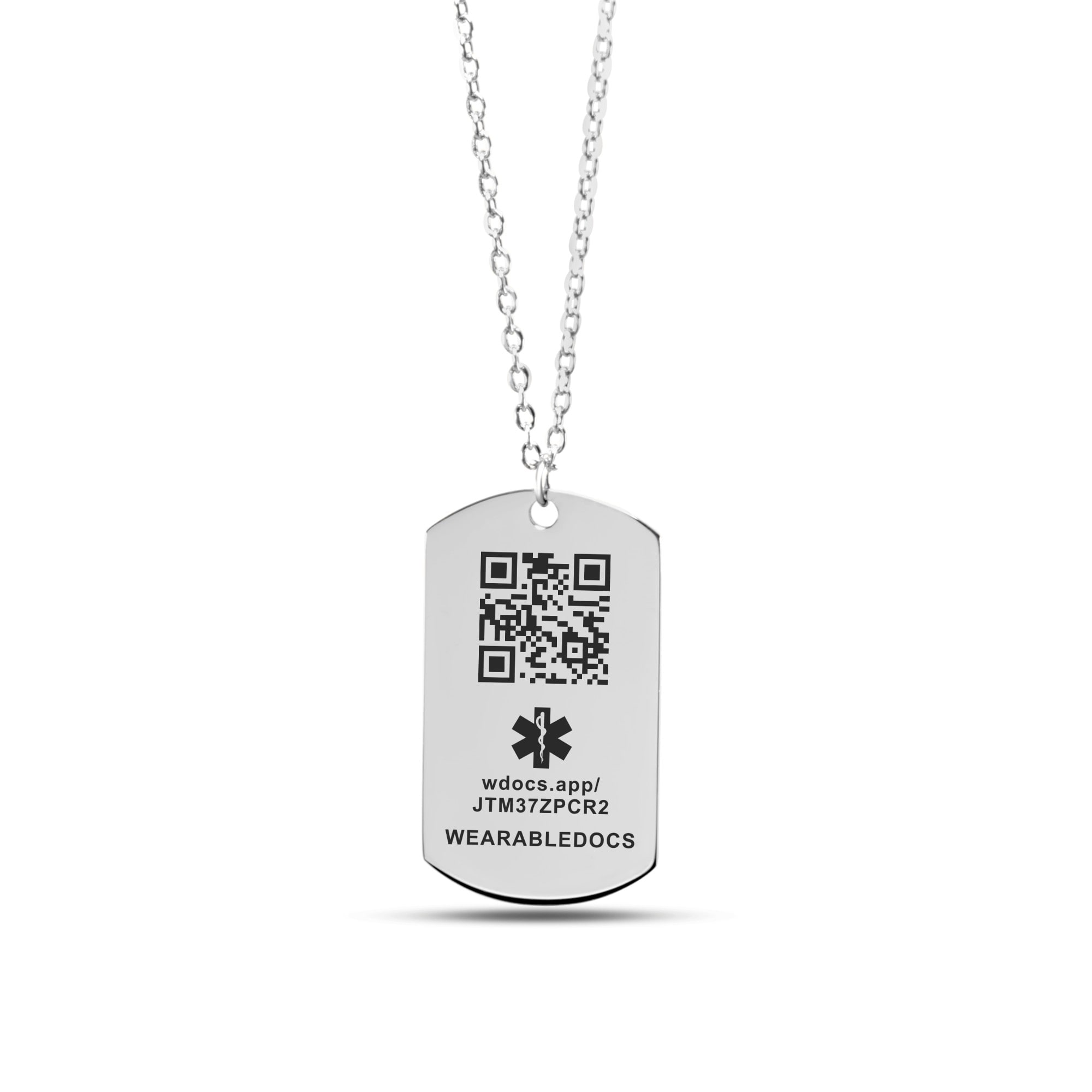
A refusal only works if someone finds it in time.
A signed refusal is powerful, but it's only effective if it can be found when it matters. Keep it accessible, on your person, in your records, and with the people who may need it.